
About Tom
Hey, I'm Tom. I build businesses.
That wasn't always true. It started with a promise I had no way to keep.
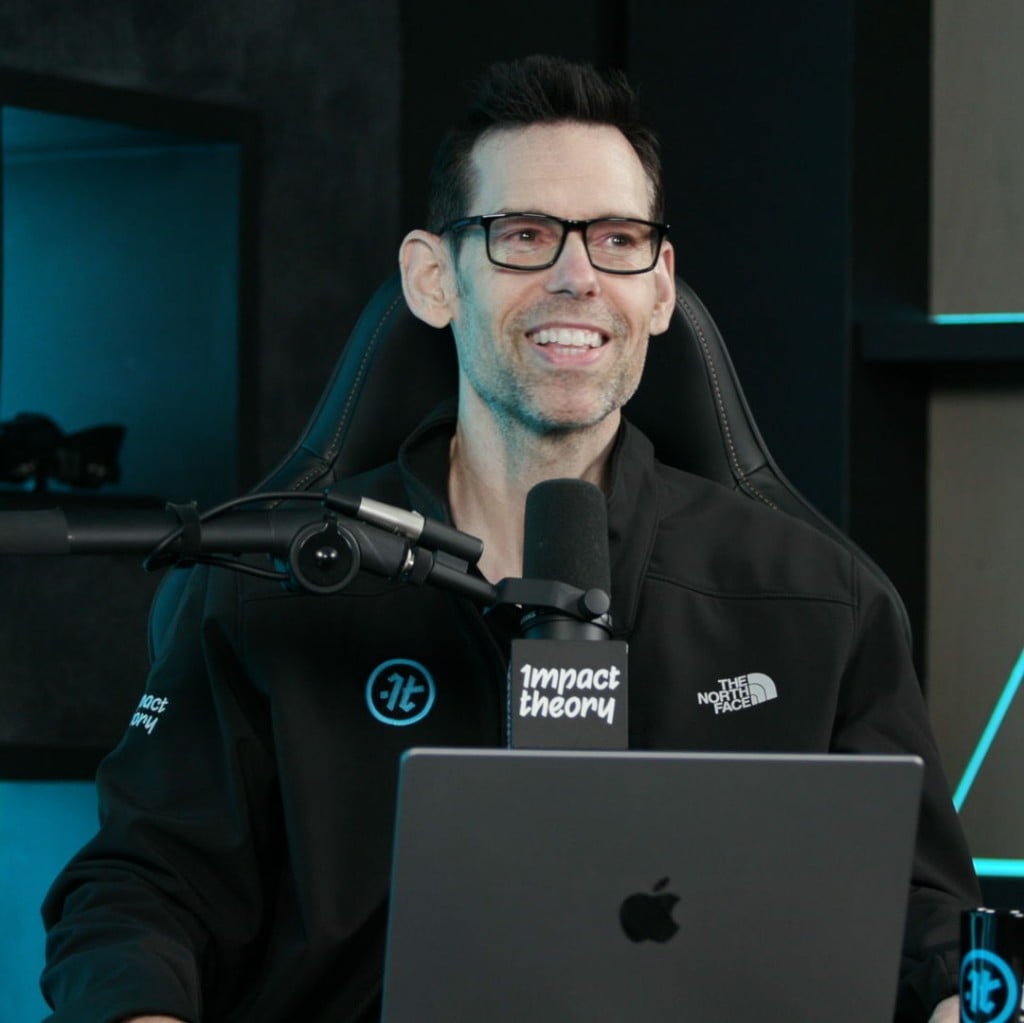
It started with a promise
That wasn't always true. It started with a promise I had no way to keep.
When I asked my future father in law if I could marry his daughter Lisa, he said no.
You can't blame him. I said I'd make her rich, but I had no money and no plan. I proposed anyway and she said yes.
As we were celebrating that moment, it hit me what I'd actually just done. I'd just told the two people whose opinion of me mattered most, exactly who I was going to become. Rich enough that his “no” would look foolish looking back. A man worth trusting with his daughter's whole life.
Fifteen years passed before that promise caught up to reality.
Miserable on paper
I was a newlywed with a film degree I was too scared to actually use. Two bodybuilders from my gym pulled me into their tech startup, writing copy, which felt safer and more doable than a film career. They told me to think like a partner, not an employee, and that's exactly what I did.
Seven years later I was running that company as CMO. I was worth $2 million on paper. And I was miserable. Lisa told me I was destroying our marriage. That she'd give up everything just so I could be happy again.
I told my partners I was done chasing money.
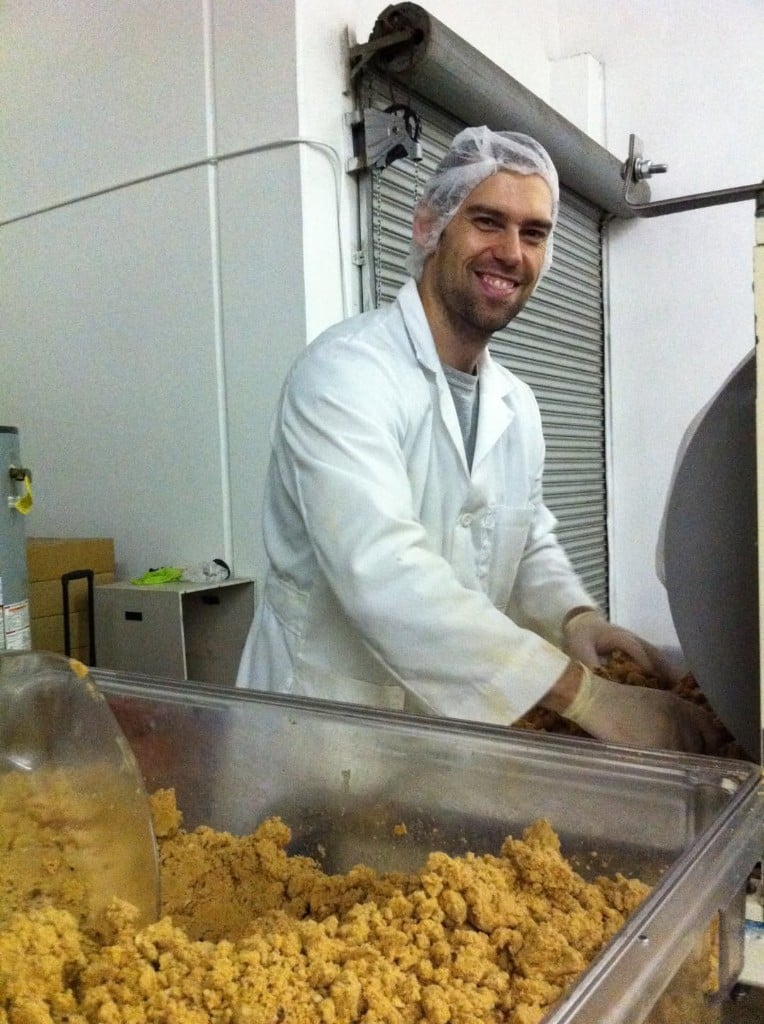
Protein bars in the kitchen
Turns out they were too. So at night, after the tech company shut down for the day, we made protein bars in our kitchens. My mom and my sister both struggled with obesity. My mission was to make food that was good for you taste like junk food, so I could help them, and millions of others with metabolic disease, get healthy.
We tested our recipe on the engineers at the startup. These guys lived off Doritos and Red Bull, so when they kept asking for more, we knew we were on to something.
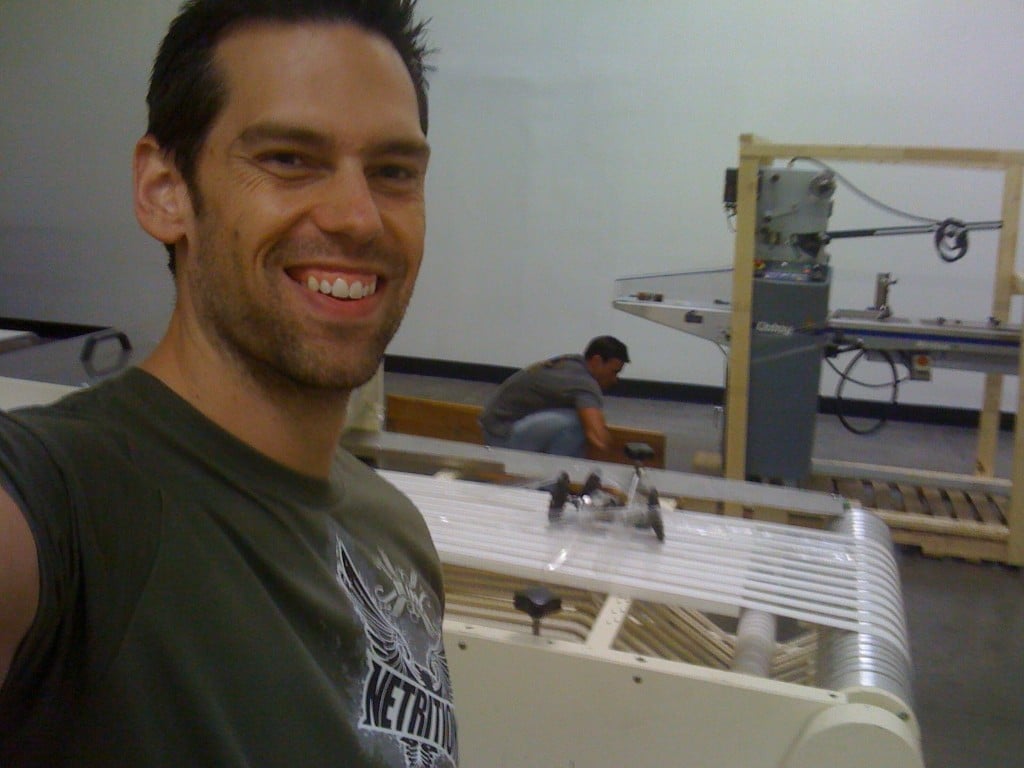
An engineering problem nobody solved
When we were finally ready to manufacture it, we hit a wall. The whole food industry had spent seventy years building equipment around high fructose corn syrup. Our bars had none. Every expert told us it was impossible.
It wasn't. It was an engineering problem nobody had bothered to solve.
One of my co-founders was an Iowa farm boy who knew machinery. He took a Sawzall and a blowtorch to commercial equipment, cut it apart, and welded it back together until it ran our recipe. We spent $500K before it produced a single bar.
Now nobody could just copy us after that. They could steal the recipe. They couldn't steal a machine that didn't exist anywhere else.
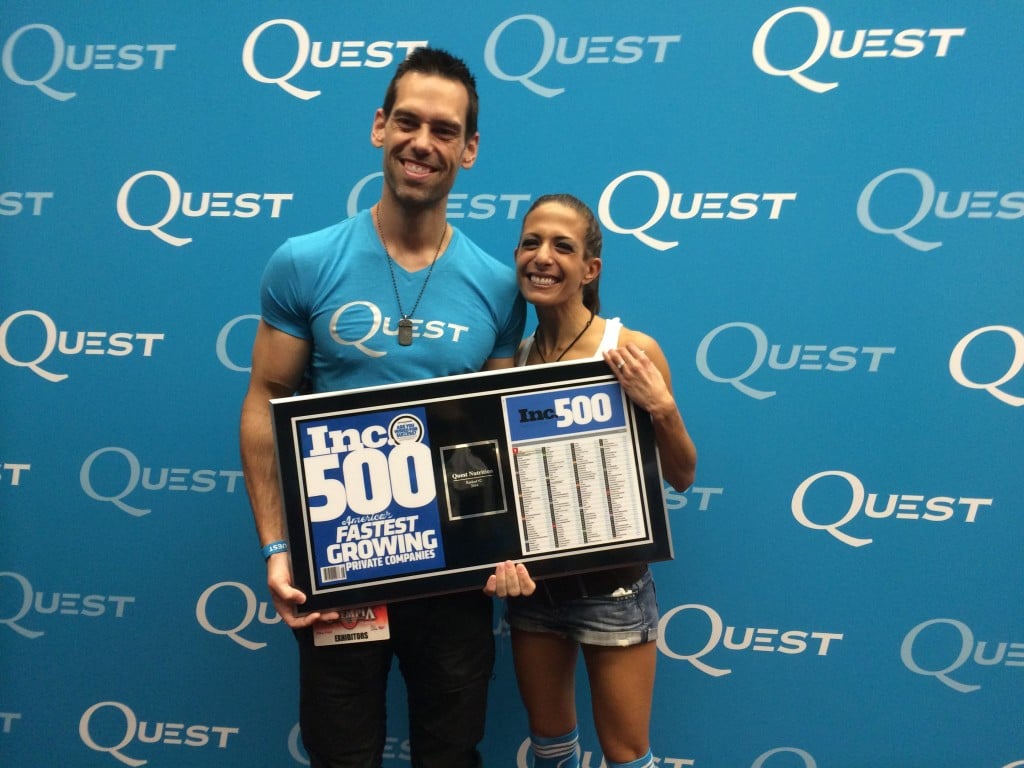
From kitchen to a billion-dollar exit
The company grew 57,000 percent in three years. Inc. magazine named us the 2nd fastest-growing company in North America.
We sold it for a billion dollars in 2019.
Fifteen years after I made that promise to my wife and her father.
But I wasn't done
I left Quest on a Monday. On Tuesday, Lisa and I started Impact Theory.
At first that just meant interviewing people who'd actually built things. Our media company has earned over a billion organic views and an audience of more than ten million people.
But interviewing builders isn't the same as teaching someone to become one. Enough people asked me how to actually start that I created Impact Theory University. Built on the same principles that took Quest from a kitchen to a billion-dollar exit.
It's also how I ended up building video games. When I was nineteen, a movie could shape how a whole generation of kids saw the world. That's not true anymore. Now it's games.
Why I'm not just living on a tropical island
I didn't make my money as a coach or guru. I've spent over two decades as a builder, standing on factory floors, and fixing equipment at 3am until my knuckles bled.
I believe founders, not governments, not nonprofits, actually solve the world's biggest problems, and every founder I help is one more shot at that.
Games are brutally expensive to make too, and this is how I fund the studio without bankrolling everything myself.
That's why I run a free live masterclass once a month. I'll show you how to build a 5-member AI team that will pressure-test your business idea so you know if your idea holds up before you spend a month building the wrong thing.
P.S. These days I have one rule. Ten minutes to get out of bed once I'm awake. I almost never break it. I know exactly what it costs when I do.